Objective setting
Be clear about where your wealth is right now – and what you want from your retirement
Look forward to a new chapter
Introduction
Giving up work makes space for the things you love. You might want to see more of the grandchildren, or more of the world.
But retirement brings confronting questions too. Do I have enough to sustain my lifestyle? To leave something for loved ones? What if things change?
At Richmonde Laine, we offer wealth management for those approaching or enjoying retirement. Aligning your hopes and dreams with your income and assets – all in one clear plan – we help you step into the next chapter with confidence.
Feeling unsure about what’s ahead?
Do I really have enough to stop or slow down?
Can I live how I want to and support those I love?
How should I draw on and use my wealth over time?
Am I properly dealing with growth, tax and risk?
What can I do for them, now and after I'm gone?
Get a clearer view
The good news is that retirement could last many years. But the tricky thing is that your needs will change over time, which makes planning feel impossible.
We allow you to focus on your goals: what life do you want to live, now and in future?
Then we build a coherent plan that will do the rest of the work for you – because this is your time to step back and reap the rewards.
A connected plan is an effective plan
We bring together all the moving parts. Not just different pensions and investment accounts, but also income strategy, tax and estate planning, and all the other things that shape life after work. Not to mention constantly changing legislation.
Giving you a joined-up, forward-looking strategy, we make sure you can get the most from your wealth – and enjoy a richer, more fulfilling retirement.
Retirement objectives
Knowing what you want across different stages of retirement
Consolidation
Bringing all your assets into one clear, coherent structure
Retirement income
Turning pensions, investments, savings into lasting tax-efficient income
Tax planning
Using allowances, wrappers and withdrawal strategies
Cashflow modelling
Stress-testing different choices across different life stages
Investment planning
Shaping a portfolio to your risk levels, income and timeframe
Protection
Safeguarding family against illness, loss of capacity, other shocks
Estate planning
Knowing how best you can support the next generation
For the past thirty years, we’ve looked decades ahead
Some clients spend as long in retirement as they do at work. With proper planning, your later years can be about fulfilling ambitions rather than scaling back.
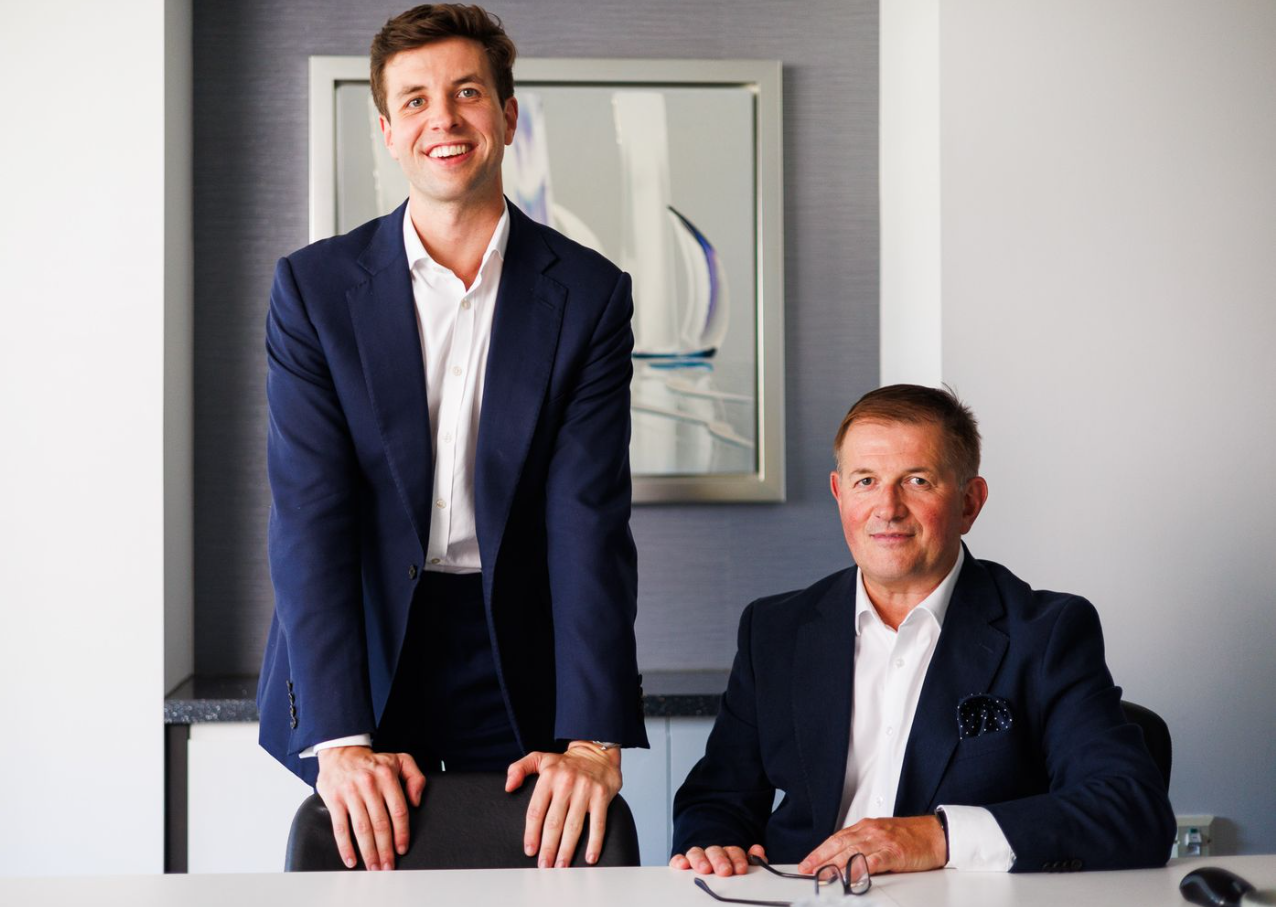
Marcus Hamblin
Chartered Financial Planner

Your plan is bespoke, individually tailored to the questions you most need to answer.
We think in decades, not quarters, guiding you from one economic season to the next.
By acting with integrity, we build lasting, trusted relationships with our clients.
We care deeply – not just about the numbers, but how it feels to work with us.
As an independent firm, we offer advice based purely on what’s best for you.
With industry-leading technologies and team, we set the highest standards.
Working as one
Investments, tax, pensions and retirement planning – these all influence one another. At Richmonde Laine, we bring them together in such a way that they become more than the sum of their parts.
Connected plan
Connected plan
Be clear about where your wealth is right now – and what you want from your retirement
Build a portfolio that matches your goals, needs, risk profile and timeframe.
Get the best from your hard-earned income, investments and assets.
Visualise and stress-test how your wealth might evolve with different decisions.
Safeguard your business, your lifestyle and your loved ones for when the world throws curveballs.
Know what "enough" looks like - and start planning for an exciting new chapter
Enjoy your wealth now, and leave loved ones a legacy when the time comes.
This is what confidence sounds like
Putting you first
We begin with an unhurried conversation. Bring your questions – however emotional, difficult, half-formed – and we will listen.
Bright ideas for a bright future


Confidence starts with clarity
It depends on the life you want, when you stop work and where your income will come from. Rather than use a rule of thumb, we build a year-by-year cashflow forecast of your spending, pensions, investments, property and State Pension. We then test it against market falls, inflation, care costs and living to 100. The forecast shows whether you have enough, how much you can safely spend and how much you could pass on in your lifetime. Some clients find they can retire earlier, or spend more, than they’d assumed.
Possibly, but early retirement needs a plan for the years before your State Pension starts. Private pensions can usually be accessed from 55, rising to 57 from 6 April 2028. The State Pension age is 66, rising to 67 between 2026 and 2028. Retiring at 58 could mean funding around nine years from pensions, ISAs and other savings before the State Pension begins. We model how long your wealth needs to last, how to draw it tax-efficiently in those years, and how much room you have if markets disappoint.
Pensions advice and pre-retirement planning covers the five to fifteen years before you stop work, when your decisions have the biggest impact on the rest of your life. It means setting a realistic retirement date and testing it with a cashflow forecast. It also means making your final pension contributions while you’re still earning, and gradually adjusting investment risk. Then come the key choices at retirement:
The order matters more than many people realise, and the April 2027 inheritance tax change has altered the usual approach. Until now, many people spent ISAs and other savings first and left pensions untouched, because pensions usually passed free of inheritance tax. From 6 April 2027, most unused pension funds will count towards your estate. For some families, it may now be more efficient to draw more from pensions earlier and make gifts from that income. We model the options to find the lowest combined income tax and inheritance tax.
Not automatically. You can usually take 25% of your pension tax-free, up to £268,275 in total unless you have protection. Once withdrawn, the cash loses the pension’s tax shelter. Taking it in stages keeps a tax-free element in each withdrawal for longer. There are good reasons to take it, such as clearing a mortgage, bridging to other income or funding gifts. With pensions entering estates from April 2027, gifts that start the seven-year clock have become more attractive. Either way, it should be part of a plan.
Drawdown keeps your pension invested and lets you control how much you withdraw and when, but its value can fall and the income isn’t guaranteed. An annuity swaps some or all of your pension for a guaranteed income for life, removing investment risk and the risk of outliving your money. Annuity rates are much higher than a decade ago, and many clients now combine the two: an annuity to cover essential spending, and drawdown for flexibility and legacy. The right choice depends on your health, other income, attitude to risk and estate plans.
Early losses hurt more when you’re also withdrawing income, because you’re selling investments at lower prices. This is called sequence risk. We manage it by holding one to three years of planned withdrawals in cash or lower-risk assets, so you don’t have to sell growth investments during a downturn. We also build flexibility into your spending plan. Before you retire, we stress-test your plan against past market crashes, so you know in advance how you’d respond.
The 4% rule suggests withdrawing 4% of your portfolio in the first year of retirement, then raising that amount with inflation each year. It comes from US research into how long portfolios lasted over 30 years. For a £1.5 million portfolio, that’s £60,000 in year one. It’s a useful starting point but not a plan: it ignores tax, fees and your other income. UK-based studies often suggest a lower starting rate for retirements that could last 35 years or more. We prefer a flexible approach that adjusts withdrawals to markets and your circumstances.
It can. Once you take taxable income flexibly from a defined contribution pension, the Money Purchase Annual Allowance applies. From then on, your tax-relieved contributions to defined contribution pensions are capped at £10,000 a year. Taking only your tax-free cash, or buying a standard lifetime annuity, doesn’t trigger this limit. If you’re still earning or plan to pay large sums into a pension, plan the order of your withdrawals carefully.
Don’t rush. Keep the money in cash for a few weeks while you plan, split across different banking groups, because the FSCS protects £120,000 per person per banking licence. Next, decide what the inheritance is for: retiring earlier, drawing less from your pension, clearing a mortgage, helping your children or long-term growth. Then invest it in this order:
A few points depend on what you’ve inherited and whether you need it: